
What is Brazilian Jiu Jitsu?
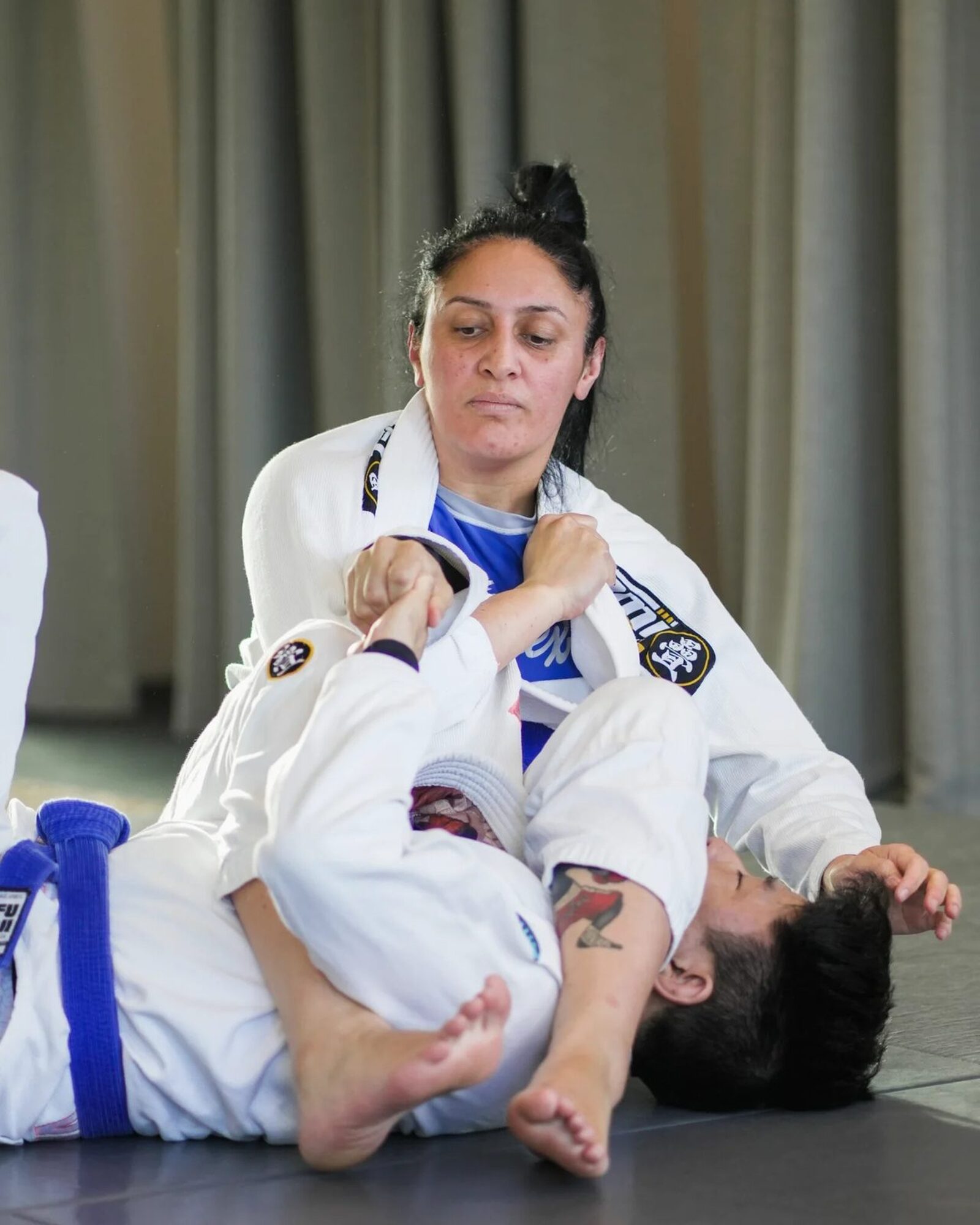
Brazilian Jiu Jitsu (BJJ) is a grappling martial art. You learn how to control and submit a larger, stronger opponent using leverage, timing, and technique, mostly on the ground.
Where it comes from
BJJ grew out of Japanese jujutsu and judo, brought to Brazil in the early 1900s and refined by Brazilian pioneers into a system built around ground fighting. The focus shifted from throws and standing work toward positions, control, and submissions once the fight hit the mat.
Today it’s trained worldwide as a martial art, a sport, and one of the most practical forms of self defence, made famous when it dominated early mixed martial arts competitions.
How Brazilian Jiu Jitsu works
Instead of trading punches, you close the distance, take the fight to the ground, and use body mechanics to dominate. A smaller person can control a bigger one by getting better position: mount, side control, back control, and a full toolbox of chokes and joint locks.
You usually train in a gi (kimono), though many schools also teach no-gi. Because the emphasis is grappling rather than striking, you can train with real resistance, safely, and keep improving for decades.
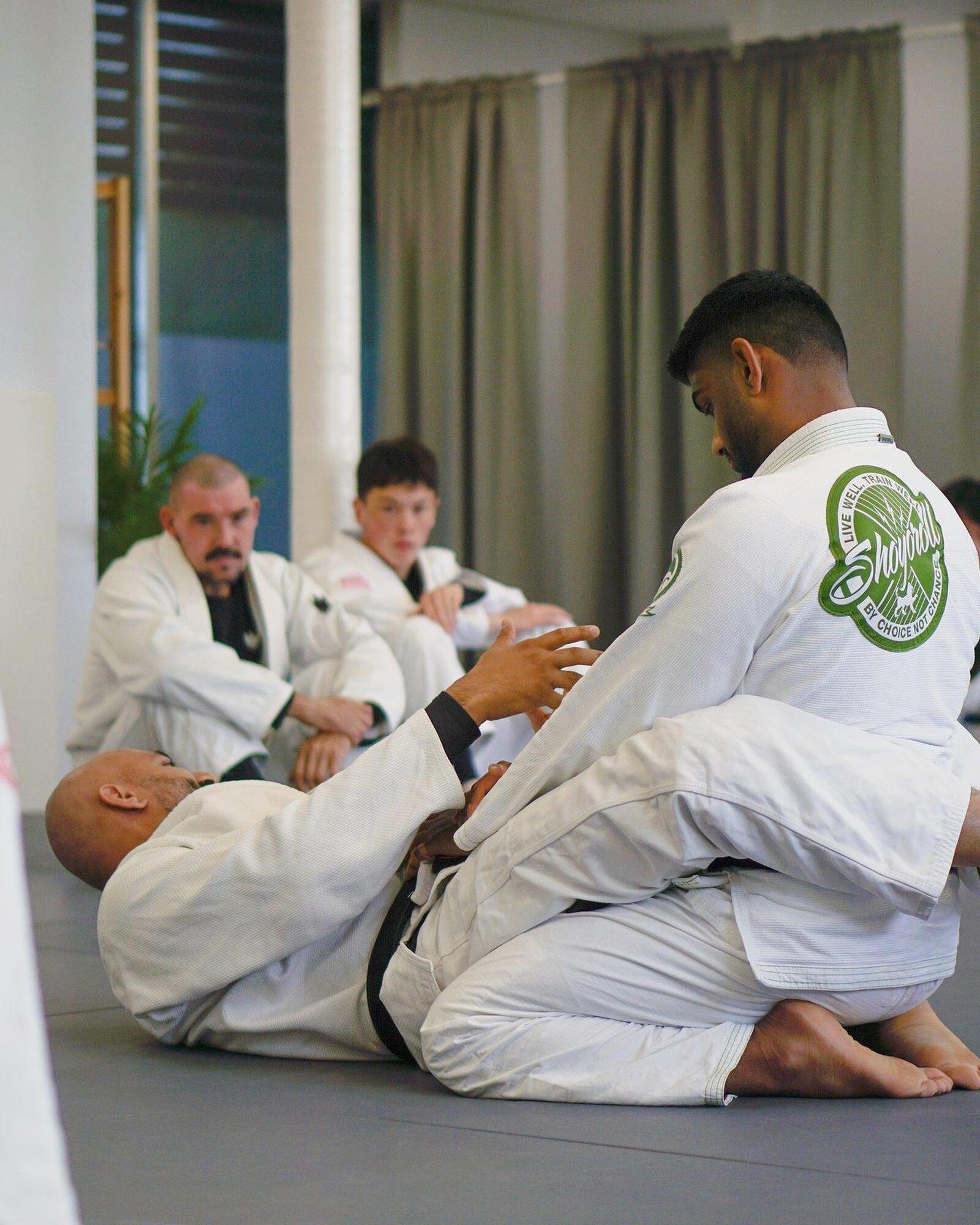
Why people call it human chess
Every exchange is a problem to solve. Your partner moves, you respond. That’s why BJJ works the mind as hard as the body. You leave class sharper, calmer, and more focused, not just tired.
One of the best martial arts for self defence
Most real fights end up at grappling range. BJJ prepares you for that: how to stay calm under pressure, how to get to a dominant position, and how to finish or escape without needing to be the strongest person in the room.
It’s also accessible. Age, size, gender, and fitness level matter less than learning good technique. Beginners start slow, build skill, and progress at their own pace.
What you get from training
- Fitness that sticks. Strength, cardio, mobility, and coordination without a boring gym loop.
- Real confidence. Knowing you can handle yourself if things get physical.
- Mental clarity. Stress drops once you’re problem-solving on the mats.
- Community. Train with people who want you to improve every class.
Train Brazilian Jiu Jitsu in Canberra
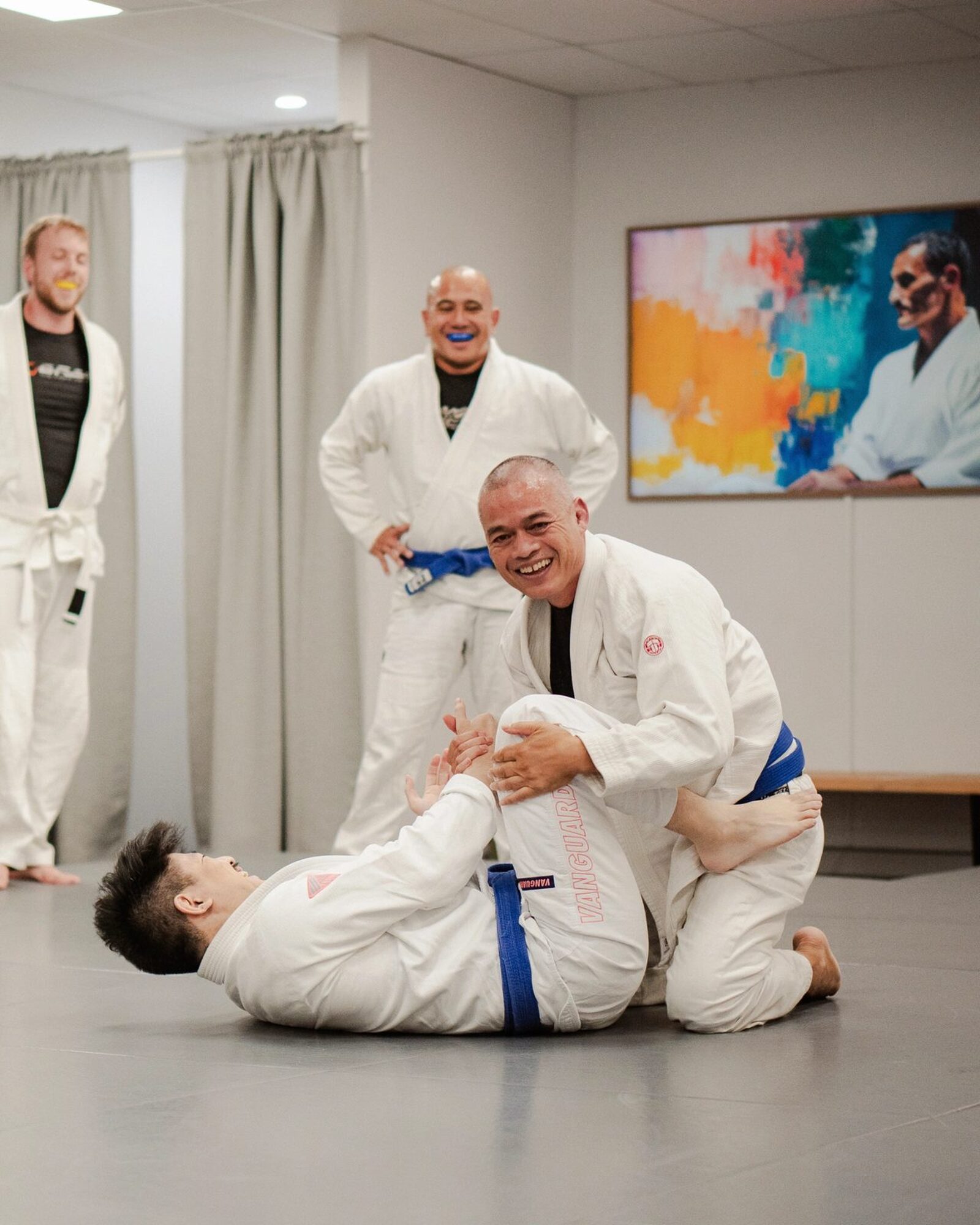
If you’re in Canberra and want to try BJJ in a beginner-friendly room, Shibusa runs classes in Belconnen. Private intro first, then beginner classes.